
A Guide for Calgary Homeowners
Knowing when to replace your roof in Calgary is one of the most important decisions you will make as a homeowner. Get it right and you protect your property, your budget and your peace of mind. Wait too long and the costs compound quickly. Calgary weather is hard on roofs. One week you’re dealing with a chinook stripping snow off your eaves, the next you’re watching ice form along your gutters during a hard overnight freeze. Add hailstorms that roll in off the prairies with almost no warning and you’ve got a climate that ages roofing materials faster than most homeowners expect.
The good news is that your roof will usually give you signs before things get serious. You just need to know what to look for, when to stop patching and when to start planning.
This guide walks you through exactly that. Below is the information you need to make a smart decision about one of the biggest investments on your property.
Age Is The First Warning
Most standard asphalt shingle roofs are built to last somewhere between 20 and 30 years. In Calgary though, that window tends to run shorter. Freeze-thaw cycles, intense summer UV and the constant stress of wind and hail all chip away at a roof’s lifespan in ways that mild-climate homeowners simply don’t experience.
Here’s a rough guide based on age alone:
• Under 15 years. You’re likely fine. Keep an eye out for storm damage after major weather events but don’t lose sleep over it.
•15 to 20 years. This is the window to start paying attention. The roof may look okay from the street but wear is building beneath the surface. Annual monitoring is a smart habit to develop now.
• Over 20 years. Don’t wait for a leak to act. If other warning signs are present alongside the age, replacement planning should already be underway.
Not sure how old your roof is? Check your original home inspection report or mortgage documents. If you don’t have those, a roofing professional can typically estimate age from the materials and wear patterns during a site visit.
What You Can See From the Ground
You do not need to climb on your roof to spot most warning signs. Grab a pair of binoculars and take a slow walk around your property. Here’s what you’re looking for:
Curling or cupping shingles. Shingles that curl upward at the edges or cup downward in the middle have lost their flexibility. Once asphalt shingles reach that point they can’t seal properly against rain and wind. This is one of the clearest signs a roof is approaching the end of its life.
Missing or broken shingles. One or two missing shingles after a bad storm? That’s usually a repair. But if you’re regularly noticing broken or displaced shingles across multiple sections of the roof, that’s a different problem. Widespread material failure means the system as a whole is breaking down.
Granules in your gutters. Asphalt shingles are coated with small granules that protect the material from UV radiation. When you start finding significant amounts of those granules in your gutters or downspouts, the shingles are shedding their protective layer. This is especially common in Calgary after hail events, which can strip granules from a large area of roof in a single storm.
Cracked shingles. Cracks are more visible on south-facing slopes where UV exposure is highest. A few isolated cracks can sometimes be addressed with spot repairs. Cracking across a wide section of the roof generally means the material has gone brittle.
What’s Happening Inside Matters, Too
Some of the most important warning signs never show up on your roof at all. They show up on your ceiling, in your attic and on your energy bills.
Water stains on ceilings or walls. Even a small stain deserves attention. A single stain that keeps coming back after rain or snowmelt is telling you something is getting through and whatever is letting water in has likely been doing it for a while.
Ice damming. This is a Calgary-specific problem that a lot of homeowners misunderstand. Ice dams form when heat escaping through the roof melts snow near the ridge, that water runs down and refreezes along the colder eaves. The result is water backing up under your shingles. If you’re seeing large icicle formations along your eaves every winter, or water stains appearing indoors in late February and March, ice damming is almost certainly involved. It’s both a roofing and a ventilation issue that won’t fix itself.
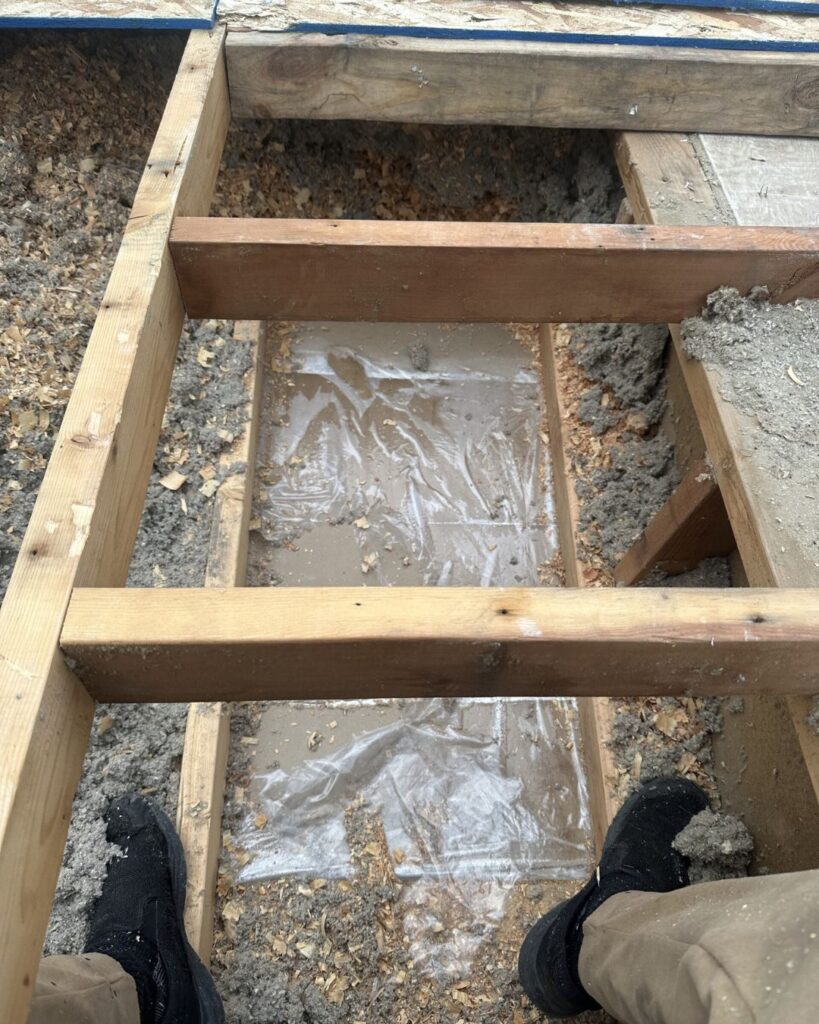
Damp or musty attic. Head up into your attic space in the spring. Damp insulation, dark staining on the decking or a persistent musty smell are signs that moisture has been working its way in. By the time you can smell it, the problem is usually well established.
Rising heating and cooling costs. An aging roof with failing ventilation doesn’t just leak, it makes your HVAC system work harder year-round. If your energy bills have crept up without an obvious explanation, the roof is worth looking at.
A Sagging Roofline Is Never a “Wait and See” Situation
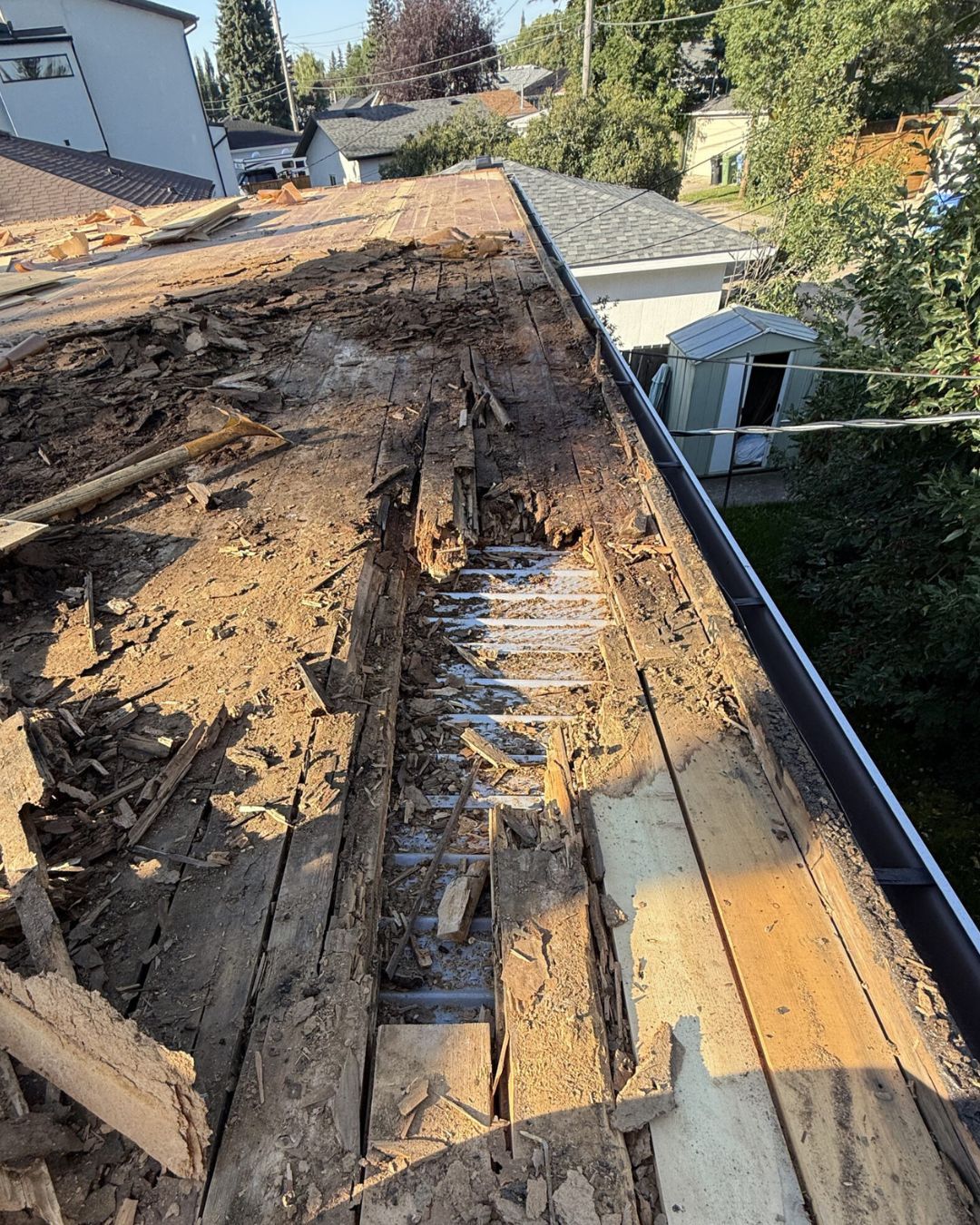
If your roofline looks uneven, soft or like it’s dipping in the middle, stop reading and call someone today. A sagging roof almost always means the decking – the structural layer underneath your shingles – has been compromised by long-term moisture exposure or structural stress.
Heavy snow loads, which Calgary gets reliably every winter, will worsen any existing structural weakness quickly. If you can see daylight through your attic, if there are soft spots when you walk on the roof or if the ridgeline looks like it’s curving, that’s an emergency assessment situation.
When Does Repair Stop Making Sense?
This is the question most homeowners are really trying to answer. The honest answer is that it depends on how widespread the damage is and how old the roof already is.
Repairs make sense when damage is isolated. For example, a couple of shingles from a hailstorm, a small flashing issue around a vent, one section that took a hit from a fallen branch. A good repair on a relatively young roof is money well spent.
The decision to replace your roof starts making more sense when you’re dealing with multiple problems across different sections, when repairs keep coming back within a season or two, or when the underlying materials are simply too old to hold a repair reliably. Putting a new patch on a 25-year-old roof is a bit like putting new tires on a car with a failing engine. It might buy you a little time but it’s not solving the problem.
A good rule of thumb: if the repair cost is approaching 30% of what a replacement would run and the roof is already past its mid-life mark, replacement is almost always the better investment.
Don’t Ignore It
We understand that a roof replacement is a significant cost and it’s easy to keep pushing it down the priority list when the leak isn’t that bad yet. But deferred maintenance on a roof compounds quickly.
A minor leak that gets left alone for a season can soak into insulation, wick into wall framing and create conditions for mould growth. Once decking becomes saturated and starts to rot, the cost to replace your roof of replacement goes up by 30% to 40% because the structural work has to be done before a single new shingle goes on.
There’s also an insurance angle worth knowing about. Calgary insurers have become increasingly attentive to maintenance history when assessing storm claims. If an adjuster determines that pre-existing deterioration contributed to the damage, coverage can be reduced or denied. Keeping your roof in good condition isn’t just about the roof, it’s about protecting your ability to make a claim when you actually need to.
A Quick Checklist You Can Do This Weekend
You don’t need a ladder. You don’t need any tools. Here’s a ground-level assessment you can do in about 20 minutes:
• Walk the perimeter and look for missing, cracked or curling shingles
• Check your gutters and downspouts for granule buildup
• Go into the attic and look for stains, damp insulation or visible light
• Check your ceilings on the top floor for any discolouration or staining
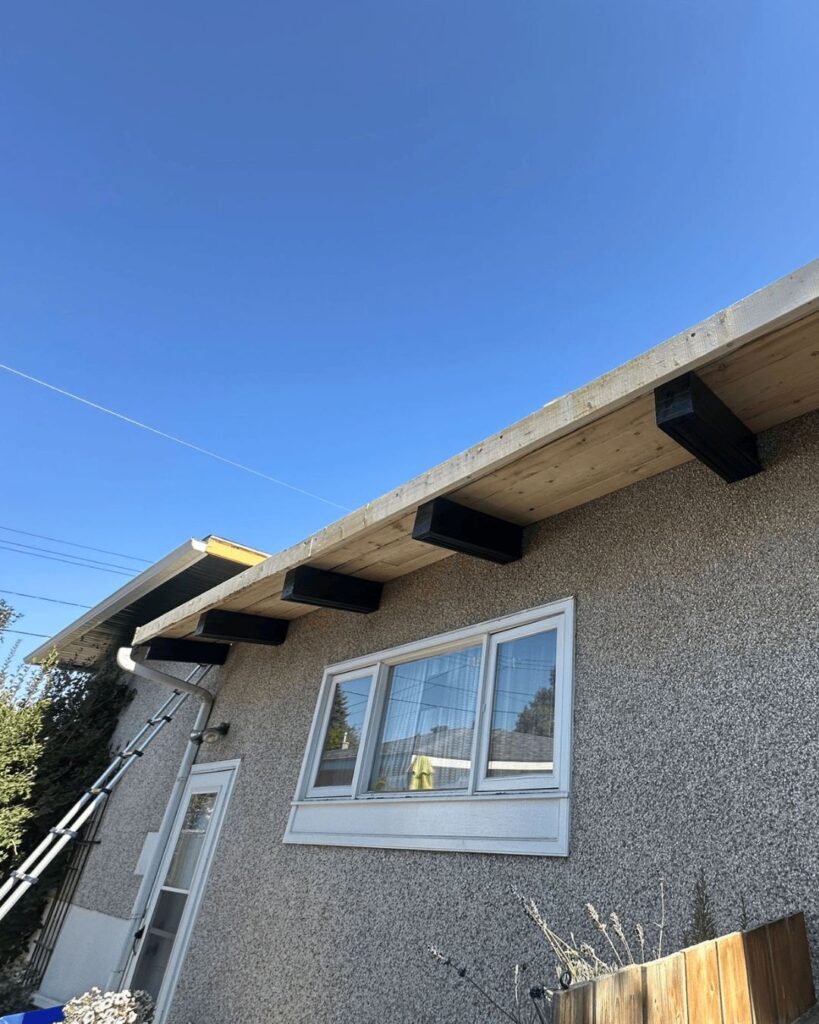
• Look at your eaves for signs of ice damming damage or water staining
• Pull out your home records and confirm how old the roof actually is
If three or more of those boxes raise a concern, it’s time to get a professional set of eyes on it.
What a Professional Inspection Actually Covers
A proper roof inspection isn’t a guy on your roof for five minutes. When Great Masters Roofing assesses a Calgary roof, we’re looking at the full picture: shingle condition and material wear, flashing integrity around chimneys, vents and penetrations, the decking structure underneath and how the ventilation system is performing.
Inspections typically run 30 to 60 minutes. You get a clear summary of what we found, photos of any problem areas and an honest recommendation – whether that’s repair, replacement or simply a plan to monitor. We offer these inspections at no cost because we’d rather you have the right information than make a decision based on guesswork. Give us a call or contact us today if you think it might be time to replace your roof.